


Situation:

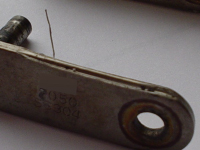
A C2052 riveted 304 series stainless steel chain belt was sent to Wire-Mesh for an inspection report due to premature failure. WMP received two strands, one assembled on the wire mesh belt and the other disassembled from the other side of the wire mesh belt.

Findings:

The chain showed multiple reasons for the failure. Inspection showed signs of excessive wear and no lubrication, combined with severe overloading – far exceeding its maximum allowable load. This was evident from the galling on the pins and rollers. Pin link plates and rollers also showed signs of damage caused by a mechanical interference.

Solution:

Wire-Mesh recommended increasing the chain size to match the load, keeping the chain well lubricated, executing frequent inspections of all chain guards for unwanted contact with the chain and ensuring all sprockets are matched and paired. Support rod deflection engineering was checked as was the journaling technique. Many quality levels of chain exist and WMP chooses those at the highest level (e.g. solid bushings and solid rollers among many others) as their standard.